FREE shipping on orders over US$200


A Practical Explanation for Fiber Internet and Optical Networks
When choosing an internet plan or evaluating a fiber network, many users ask a simple but important question: how many Mbps are in 1 Gbps?
While the numerical answer is straightforward, understanding what this speed really means in real-world fiber and optical networks requires a deeper look.
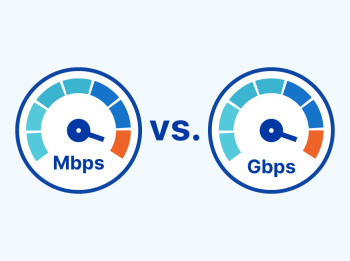
This article explains the Mbps to Gbps conversion clearly, then goes beyond the basics by exploring practical performance, fiber infrastructure, and real network limitations—especially relevant for users working with fiber-optic systems.
How Many Mbps Are in 1 Gbps?
The conversion is simple:
1 Gbps = 1000 Mbps
- Gbps (gigabits per second) measures billions of bits per second
- Mbps (megabits per second) measures millions of bits per second
Since one gigabit equals 1000 megabits, a 1 Gbps connection provides a theoretical bandwidth of 1000 Mbps.
This definition follows the International System of Units (SI), where:
- Mega = 10⁶
- Giga = 10⁹
Mbps vs Gbps: What’s the Real Difference?
Although Mbps and Gbps measure the same thing—data transfer speed—the difference in scale is significant.
| Speed | Typical Use Cases |
|---|---|
| 10–50 Mbps | Web browsing, email, HD video |
| 100–300 Mbps | 4K streaming, remote work |
| 1 Gbps (1000 Mbps) | Fiber internet, data-heavy applications |
| 10 Gbps+ | Data centers, enterprise networks |
A 1 Gbps fiber connection can theoretically transfer data 10 times faster than a 100 Mbps connection, making it ideal for environments with high traffic or multiple connected devices.
Why 1 Gbps Does Not Always Mean 1000 Mbps in Practice
In real-world networks, users rarely achieve the full theoretical speed. Several factors influence actual throughput:
1. Network Overhead
Protocol headers, error correction, and encryption consume part of the bandwidth. TCP/IP overhead alone can reduce usable throughput by 5–10%.
2. Hardware Limitations
Routers, switches, and network interface cards must all support gigabit speeds. A single non-gigabit component can become a bottleneck.
3. Fiber Infrastructure Quality
In fiber networks, performance also depends on:
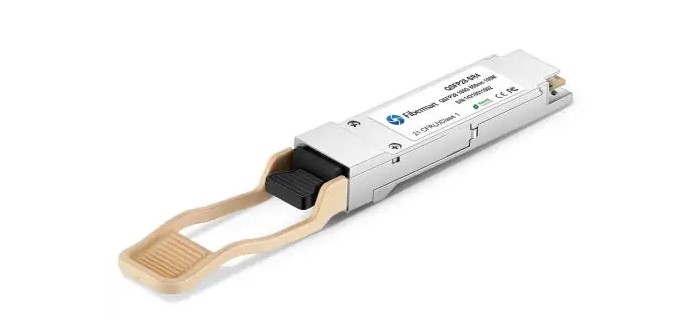
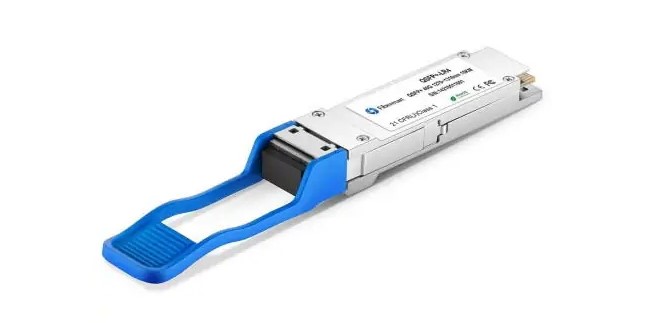
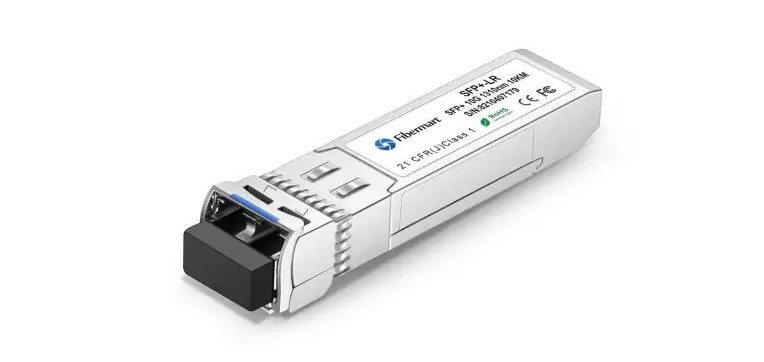
- Optical transceivers (SFP / SFP+ modules)
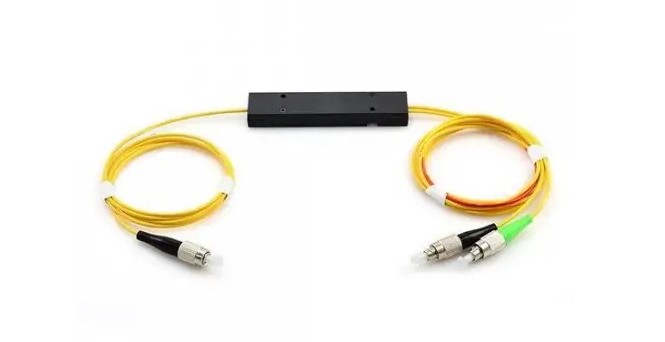
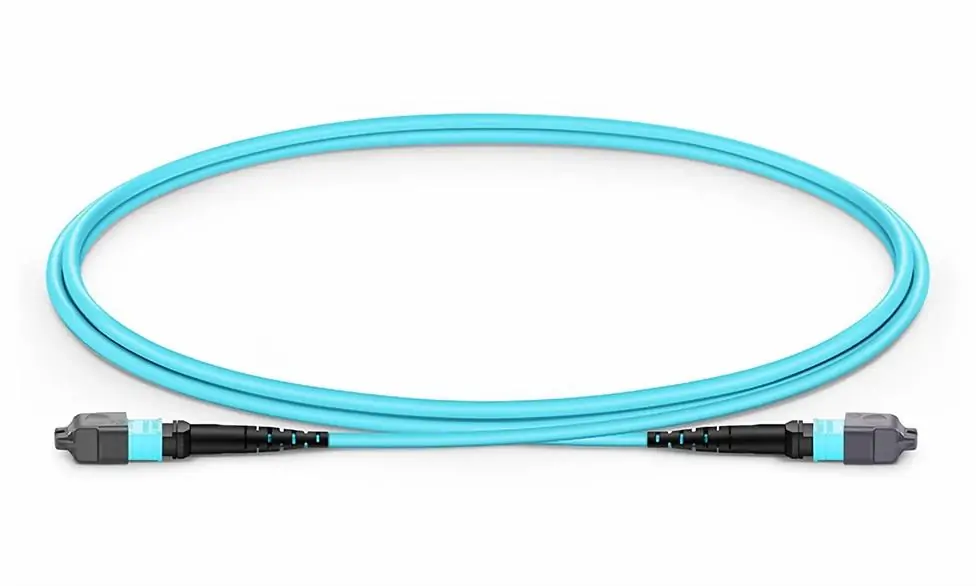
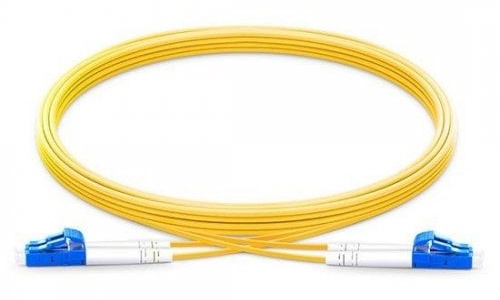
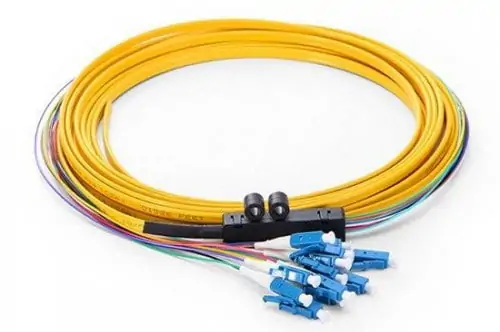
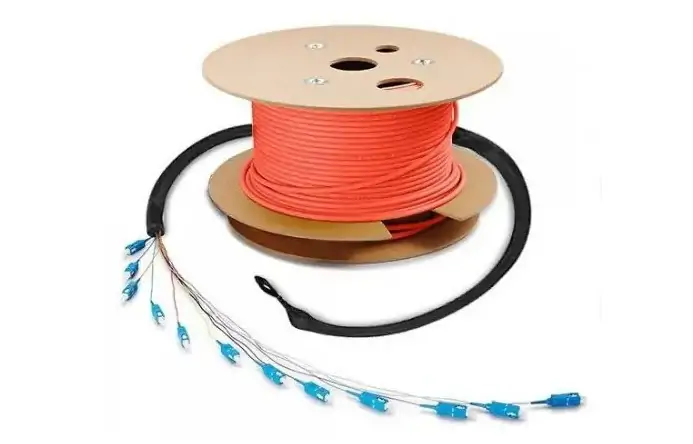
- Fiber patch cables (single-mode vs multimode)
- Connector quality and cleanliness
Poor-quality fiber components can introduce signal loss, latency, or packet retransmission, reducing effective speed.
4. Server and ISP Constraints
The remote server’s upload speed and ISP traffic shaping policies can also limit real-world performance.
Mbps vs MBps: A Common Source of Confusion
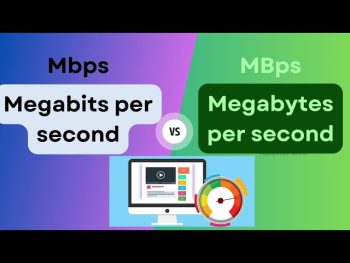
One frequent misunderstanding is between Mbps and MBps.
- Mbps (megabits per second) → used for network speed
- MBps (megabytes per second) → used for file transfer size
Since 1 byte = 8 bits:
100 Mbps ≈ 12.5 MBps
So even with a 1 Gbps (1000 Mbps) connection, the maximum file download speed is approximately 125 MB/s under ideal conditions.
When Do You Actually Need 1 Gbps Internet?
A gigabit connection is not necessary for every user, but it becomes essential in specific scenarios:
Home and Office Use
- Multiple users streaming 4K video simultaneously
- Video conferencing with large file sharing
- Smart homes with many connected devices
Professional and Technical Environments
- Remote backup and cloud synchronization
- Software development and large dataset transfers
- Media production and content creation
Fiber and Optical Network Applications
In fiber-based networks, 1 Gbps is commonly used with:
- GPON and Ethernet fiber access
- Gigabit SFP transceivers
- Single-mode or multimode fiber patch cords
For these environments, bandwidth is closely tied to optical component performance, not just the internet plan itself.
The Role of Fiber Components in Gigabit Performance
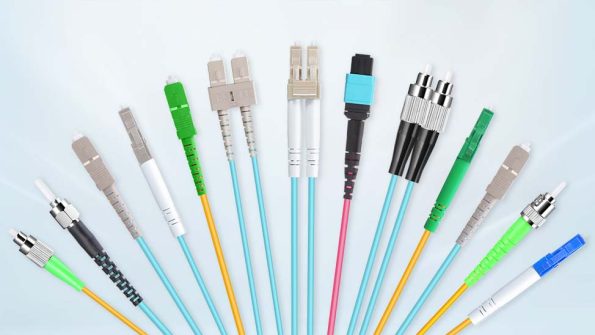
Achieving stable gigabit speeds depends heavily on the quality of fiber infrastructure:
- Optical transceivers must match wavelength, distance, and data rate requirements
- Fiber patch cables should meet proper insertion loss and return loss specifications
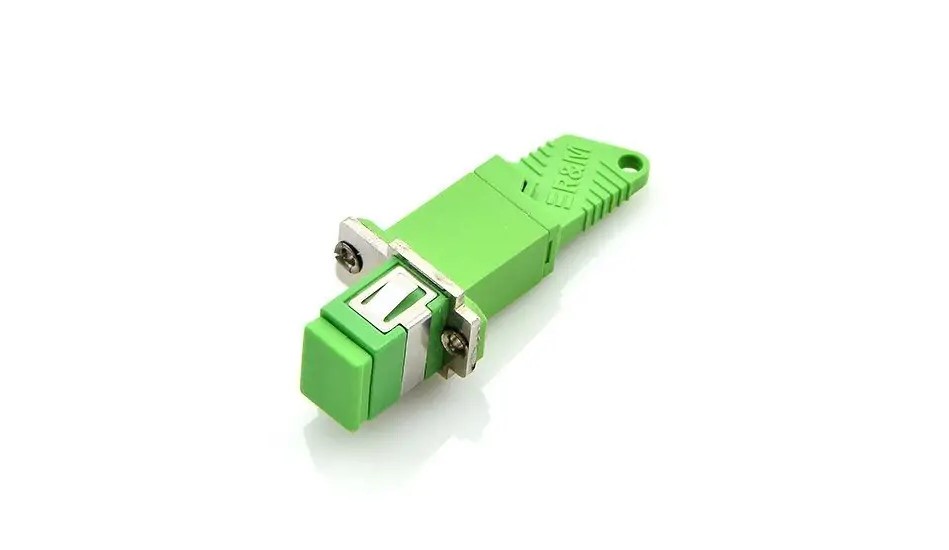
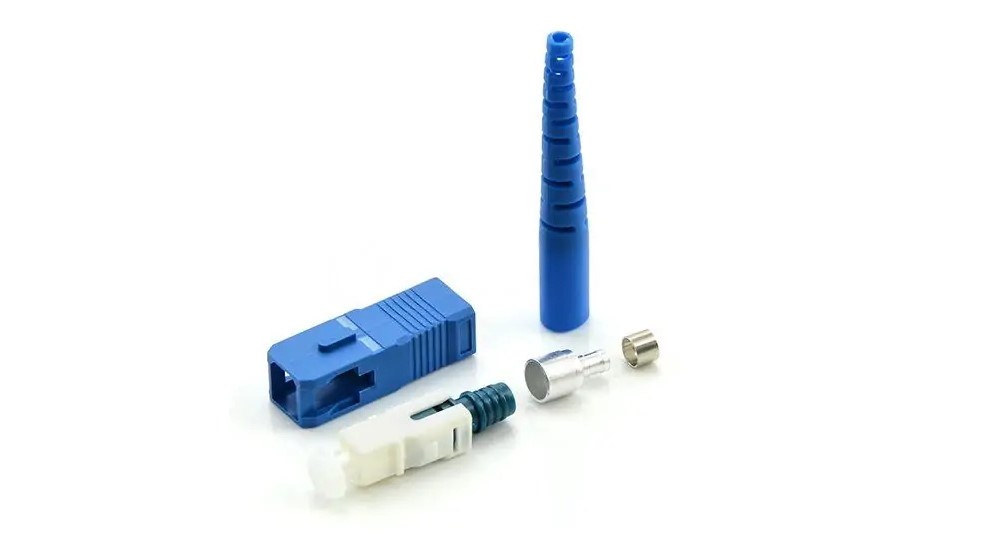
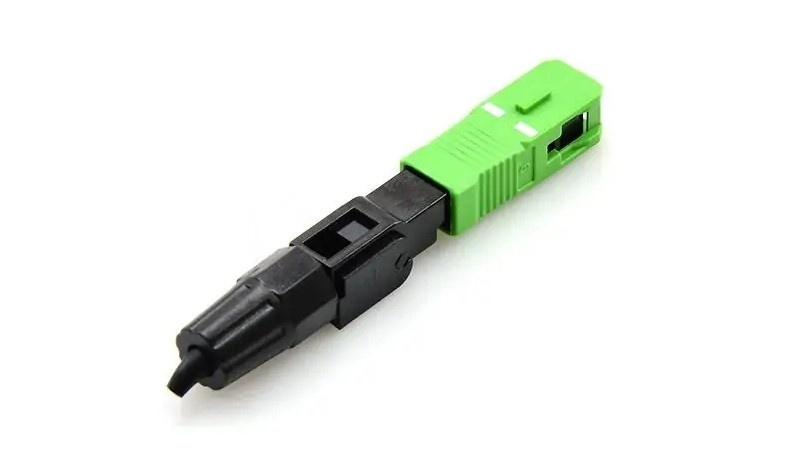
- Connector types (LC, SC, FC, etc.) must be clean and correctly polished
In professional fiber networks, low-quality components often cause more performance issues than bandwidth limitations themselves.
Quick Mbps to Gbps Conversion Examples
- 100 Mbps = 0.1 Gbps
- 250 Mbps = 0.25 Gbps
- 500 Mbps = 0.5 Gbps
- 1 Gbps = 1000 Mbps
These conversions are useful when comparing ISP plans or evaluating network equipment compatibility.
Frequently Asked Questions
How many Mbps make up 1 Gbps?
1 Gbps equals exactly 1000 Mbps.
Is 1 Gbps internet always faster than 100 Mbps?
Yes in theory, but actual speed depends on network hardware, fiber quality, and server limitations.
Is 1 Gbps enough for enterprise fiber networks?
For many small and medium-sized networks, yes. Larger data centers often use 10 Gbps or higher.
Does fiber internet perform better than cable at the same speed?
In most cases, yes. Fiber offers lower latency, better stability, and higher scalability.
Final Thoughts
Understanding how Mbps converts to Gbps is more than a math exercise—it’s essential for designing, upgrading, and optimizing modern fiber networks.
While 1 Gbps equals 1000 Mbps, real-world performance depends on the entire system, from internet service to optical components.
For users working with fiber-optic infrastructure, choosing the right fiber cables, transceivers, and network devices is just as important as selecting a gigabit internet plan.