FREE shipping on orders over US$200
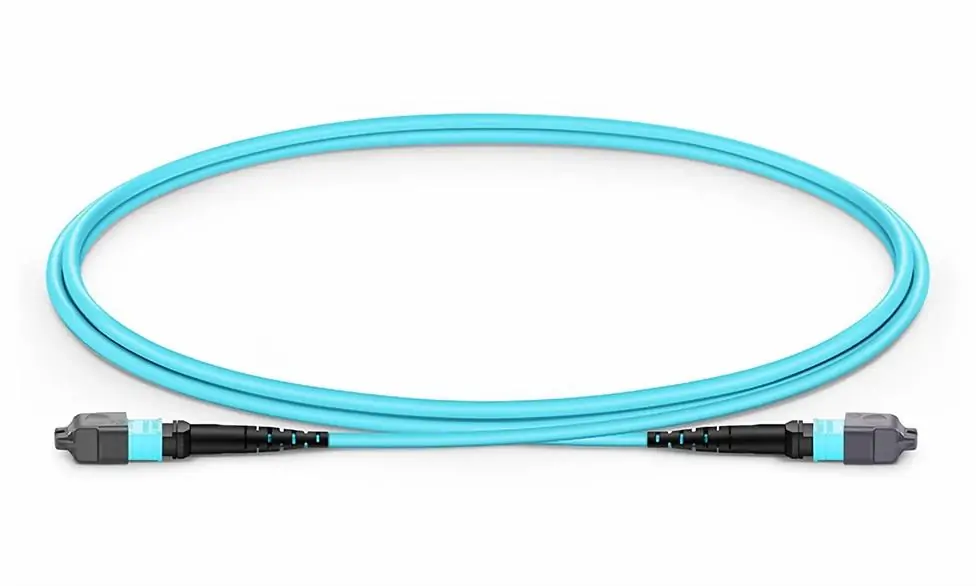
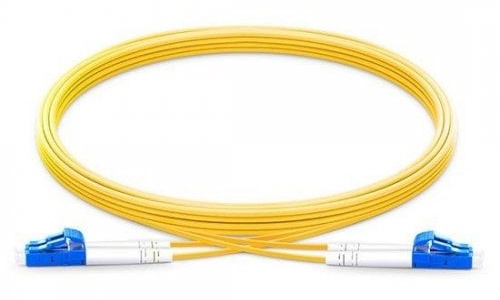
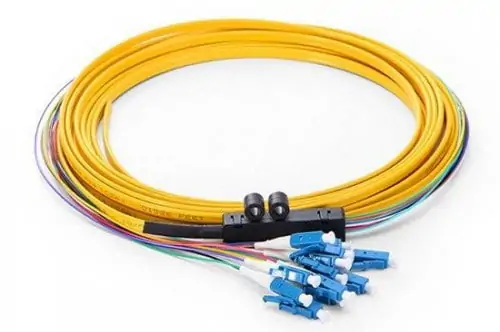
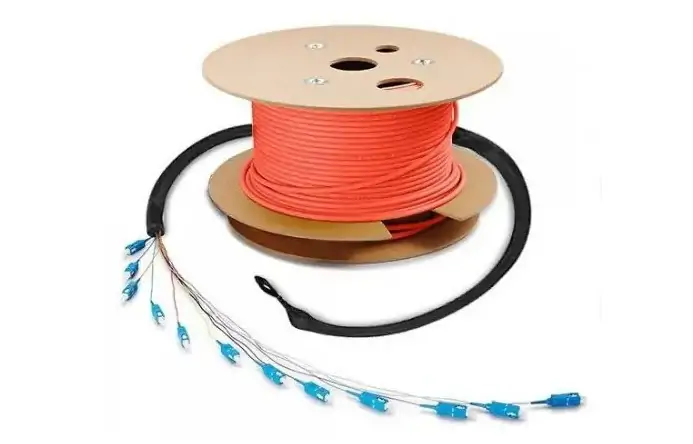
In the era of high-speed digital transformation, optical fiber communication has become the backbone of global information transmission, supporting everything from daily internet access to large-scale enterprise data centers and long-distance telecom networks. The performance and durability of fiber optic cables directly determine the stability, reliability, and long-term operational efficiency of these communication systems. When designing and constructing an optical fiber network, one of the most critical decisions is choosing between Armored Fiber Cable and unarmored fiber cable. While both serve the core purpose of transmitting optical signals, their structural designs, performance characteristics, and application scenarios differ significantly. This article provides a comprehensive comparison of Armored Fiber Cable and unarmored fiber cable, detailing their key differences in structure, performance, and cost, and offering practical selection guidelines to help engineers, project managers, and decision-makers make informed choices that align with project requirements and long-term operational goals. Reference Link:
Core Structural Differences
1.1 Composition of Armored Fiber Cable
Armored Fiber Cable is specifically engineered to withstand harsh environmental conditions and external mechanical stress, which is achieved through its multi-layer protective structure. Unlike unarmored cables, Armored Fiber Cable incorporates an additional armor layer between the optical fiber core and the outer protective jacket, creating a robust barrier against physical damage. The typical structure of Armored Fiber Cable includes four main components: the optical fiber core (the core transmission medium, made of high-purity silica glass), the loose buffer tube (which houses the fiber core and fills with water-blocking gel to prevent moisture intrusion), the armor layer (the key protective component), and the outer jacket (usually made of PVC, PE, or LSZH material for additional protection against corrosion and abrasion). The armor layer itself is available in two primary types: metal armor (such as steel tape or aluminum tape) and non-metallic armor (such as aramid yarn or glass fiber). Metal-armored Armored Fiber Cable offers exceptional compression resistance and rodent protection, while non-metallic Armored Fiber Cable is lightweight, has high tensile strength, and is immune to electromagnetic interference (EMI), making it suitable for sensitive environments.
1.2 Composition of Unarmored Fiber Cable
Unarmored fiber cable features a simplified structural design that omits the dedicated armor layer, focusing instead on basic protection and flexibility. Its standard structure consists of the optical fiber core, loose buffer tube (filled with water-blocking material), strengthening members (often FRP or steel wire to provide basic tensile strength), and the outer jacket. Without the armor layer, unarmored fiber cable is significantly lighter and more flexible than Armored Fiber Cable, with a smaller diameter that facilitates easy handling and installation. However, this simplified structure means it lacks the robust physical protection of Armored Fiber Cable, making it more vulnerable to external damage. The outer jacket is the primary line of defense, so it is typically made of durable materials, but it cannot match the protection level of the armor layer in Armored Fiber Cable.
Performance Comparison
2.1 Mechanical Protection Performance
The most significant performance difference between Armored Fiber Cable and unarmored fiber cable lies in their mechanical protection capabilities. Armored Fiber Cable is designed to withstand extreme mechanical stress, including high compression (capable of withstanding the pressure of soil during direct burial or vehicle rolling), strong tensile strength (suitable for long-span aerial laying, where the cable must bear its own weight and wind loads), and excellent impact resistance (protecting against accidental damage during construction or operation). Additionally, the metal armor layer in Armored Fiber Cable effectively prevents rodent bites, a common cause of cable failure in outdoor and underground environments. In contrast, unarmored fiber cable relies solely on its outer jacket and strengthening members for mechanical protection, making it highly susceptible to damage from pressure, tension, or impact. Even minor external forces can cause micro-bends in the fiber core, leading to signal loss and communication interruptions.
2.2 Environmental Adaptability
Armored Fiber Cable is engineered for superior environmental adaptability, making it ideal for harsh outdoor and industrial environments. The multi-layer structure, including the armor layer and water-blocking components, provides excellent waterproof and moisture-proof performance, ensuring stable operation in high-humidity areas, underground installations, or even underwater applications. Metal-armored Armored Fiber Cable also offers effective EMI shielding, protecting the optical signal from interference from power lines, industrial machinery, and other electromagnetic sources. Unarmored fiber cable, on the other hand, is best suited for closed, protected environments such as indoor spaces, cable ducts, or data centers where temperature, humidity, and external interference are tightly controlled. It lacks the environmental resilience of Armored Fiber Cable and is prone to degradation in harsh conditions, leading to reduced service life and increased maintenance costs.
2.3 Flexibility and Construction Convenience
Unarmored fiber cable has a clear advantage in terms of flexibility and construction convenience. Its lightweight, small-diameter design makes it easy to bend, route through narrow spaces, and splice, reducing construction time and labor costs. It is particularly well-suited for indoor wiring, where tight turns and limited space are common. In contrast, Armored Fiber Cable is relatively stiff due to the armor layer, requiring a larger turning radius to avoid damaging the fiber core. Installing Armored Fiber Cable often requires specialized tools (such as armor cutters) and skilled technicians, increasing construction complexity and costs. However, the additional effort is justified in environments where the cable is exposed to external risks, as Armored Fiber Cable’s durability reduces the likelihood of post-installation failures.
2.4 Cost and Life Cycle
Cost is another key consideration when choosing between Armored Fiber Cable and unarmored fiber cable. Armored Fiber Cable has a higher upfront cost due to the additional armor material and more complex manufacturing process. However, its long service life (typically 25-30 years) and low maintenance requirements result in lower total life-cycle costs, especially in harsh environments where unarmored cables would require frequent repairs or replacements. Unarmored fiber cable has a lower initial cost, making it an attractive option for budget-constrained projects with low risk. However, in outdoor or high-risk environments, unarmored fiber cable has a higher failure rate, leading to increased maintenance costs and potential downtime, which can outweigh the initial cost savings over time.
Typical Application Scenarios
3.1 Recommended Scenarios for Armored Fiber Cable
Armored Fiber Cable is the preferred choice for scenarios where the cable is exposed to external risks or harsh conditions. Key application scenarios include: outdoor direct buried laying (where the cable must withstand soil pressure, moisture, and rodent damage); long-distance aerial crossing (such as between utility poles, where the cable is exposed to wind, ice, and tensile stress); industrial sites, mines, and oil fields (where heavy machinery, vibration, and chemical corrosion pose significant risks); areas with high rodent activity (to prevent cable bites and communication interruptions); and critical infrastructure such as data centers, power stations, and military facilities (where high reliability and security are essential). In these scenarios, Armored Fiber Cable’s robust protection ensures stable transmission and minimizes downtime.
3.2 Recommended Scenarios for Unarmored Fiber Cable
Unarmored fiber cable is best suited for protected, low-risk environments where mechanical stress and environmental hazards are minimal. Typical application scenarios include: indoor wiring in offices, commercial buildings, and residential complexes (where the cable is routed through walls, ceilings, or cable trays with no direct exposure to external damage); pipeline laying (where the cable is protected by the pipeline, reducing the risk of physical damage); short-distance intra-building connections (such as between network closets or server racks); and temporary wiring projects (where cost and flexibility are prioritized over long-term durability). Unarmored fiber cable is also a cost-effective choice for budget-limited projects with controllable risks and stable operating conditions.
Practical Selection Guidelines
4.1 Judge According to Deployment Environment
The first step in selecting between Armored Fiber Cable and unarmored fiber cable is to evaluate the deployment environment. If the cable will be installed outdoors, underground, or in harsh industrial settings, Armored Fiber Cable is the optimal choice due to its superior protection and environmental resilience. For indoor, closed environments with stable conditions and no exposure to external risks, unarmored fiber cable is sufficient and more cost-effective.
4.2 Select Based on Mechanical Stress Conditions
Evaluate the mechanical stress the cable will encounter during installation and operation. If the cable will be subject to high compression (e.g., direct burial), strong tension (e.g., long-span aerial laying), or impact (e.g., construction zones), Armored Fiber Cable is necessary to prevent damage. For scenarios with minimal mechanical stress (e.g., indoor wiring with gentle routing), unarmored fiber cable is suitable.
4.3 Match with Biological and Interference Risks
Consider the presence of biological hazards (such as rodents) and electromagnetic interference. In areas with high rodent activity, Armored Fiber Cable (especially metal-armored types) provides effective protection against bites. In environments with strong EMI (e.g., near power lines or industrial machinery), non-metallic Armored Fiber Cable is recommended to avoid signal interference. Unarmored fiber cable can be used in clean, interference-free areas where biological risks are minimal.
4.4 Balance Budget and Long-Term Benefits
While Armored Fiber Cable has a higher upfront cost, it offers better long-term value for critical projects or harsh environments. For short-term projects, temporary installations, or budget-constrained scenarios with low risk, unarmored fiber cable may be the more practical choice. However, it is important to consider the total life-cycle cost, including maintenance and replacement costs, when making the decision. Investing in Armored Fiber Cable for key applications can reduce long-term operational costs and ensure reliable communication.
Armored Fiber Cable and unarmored fiber cable are not competing solutions but complementary options, each tailored to specific application needs. Armored Fiber Cable provides all-round physical protection, environmental resilience, and mechanical strength, making it the ideal choice for harsh, high-risk environments and critical infrastructure. Unarmored fiber cable offers flexibility, cost-effectiveness, and ease of installation, suitable for protected, low-risk scenarios. The key to successful selection is to comprehensively evaluate the deployment environment, mechanical stress, biological and interference risks, and budget constraints. By choosing the right cable type, project managers can ensure the stability and reliability of the optical fiber network, prolong its service life, and maximize the return on investment. Whether for large-scale telecom networks, industrial facilities, or indoor wiring projects, understanding the differences between Armored Fiber Cable and unarmored fiber cable is essential for building a robust, efficient communication system.