FREE shipping on orders over US$200
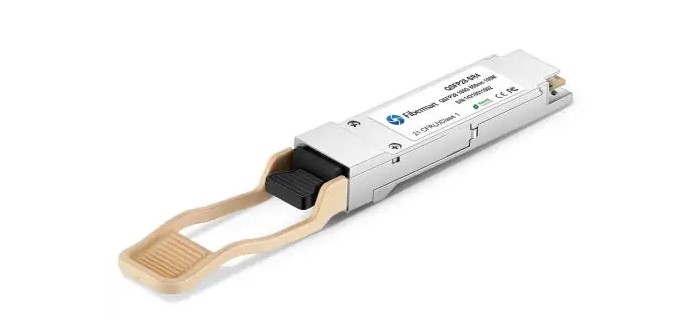
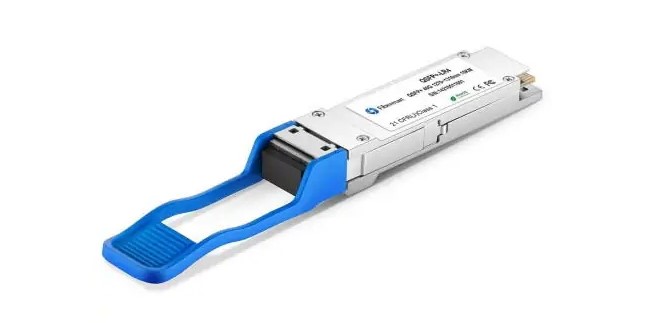
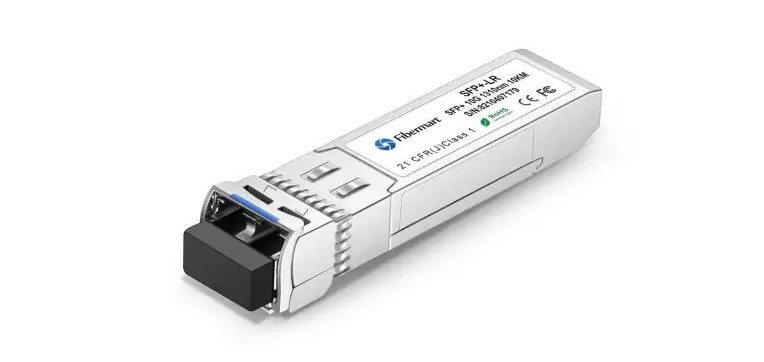
As data centers continue to scale toward 40G, 100G, and 400G Ethernet, traditional duplex LC fiber patch cords are no longer sufficient to meet density, scalability, and cabling efficiency requirements.
MTP/MPO fiber optic cables have become the industry-standard solution for high-density parallel optical transmission in modern data center environments.
In this guide, we explain what MTP/MPO cables are, break down the main cable types, clarify polarity methods, and—most importantly—help you choose the right MTP/MPO solution for real-world deployments.
What Is an MTP/MPO Fiber Optic Cable?
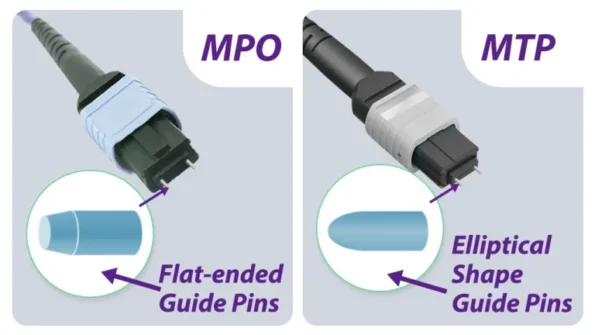
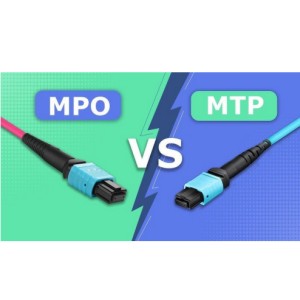
MPO (Multi-Fiber Push-On) is the original multi-fiber connector standard defined by IEC and TIA.
MTP®, developed by US Conec, is a high-performance MPO variant with improved mechanical tolerances, lower insertion loss, and enhanced durability.
Both connectors are fully compatible and intermateable, but MTP connectors are widely preferred in data center applications that demand tighter loss budgets and higher reliability.
Key Advantages of MTP/MPO Cabling
- Supports 8–24 fibers (and now 16 fibers) in a single connector
- Enables 40G / 100G / 400G parallel optical links
- Significantly increases rack and pathway density
- Simplifies cable management in structured cabling systems
1. MTP/MPO Cable Types by Application
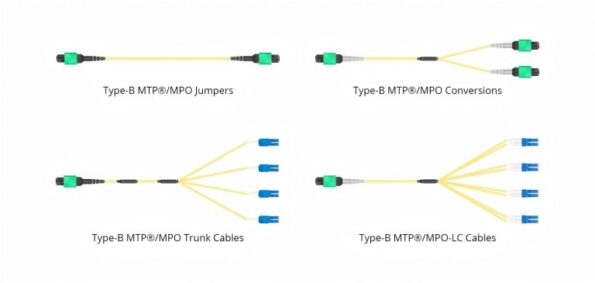
MTP/MPO Trunk Cables (Backbone Cabling)
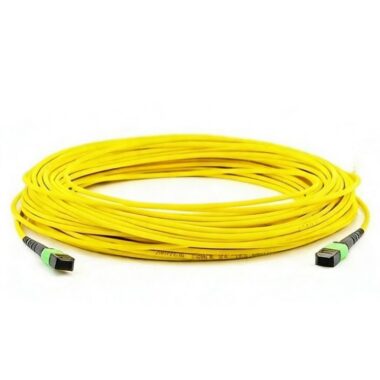
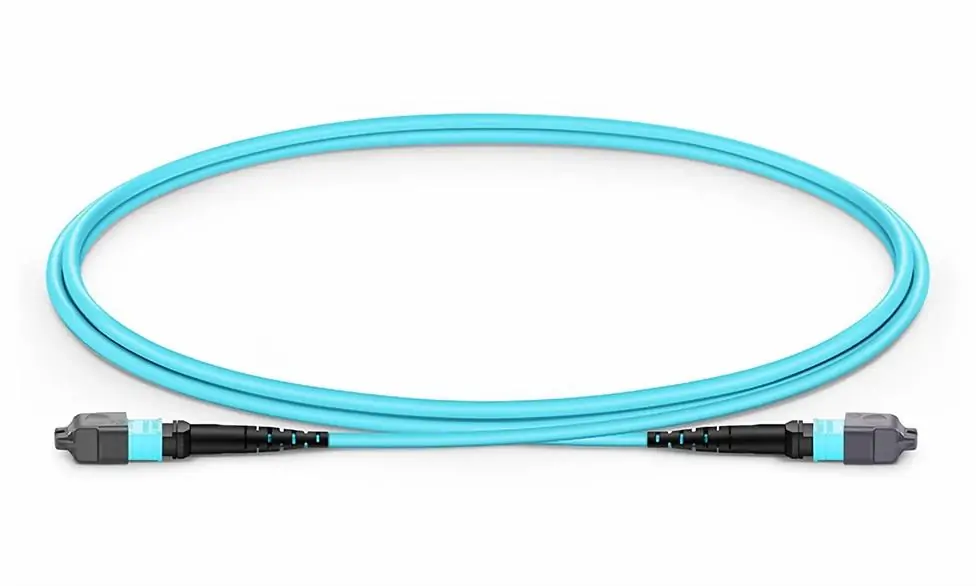
MTP/MPO trunk cables are terminated with MTP/MPO connectors on both ends and are available in 8 to 144 fibers.
Typical applications
- Data center backbone cabling
- Zone-to-zone or zone-to-equipment connections
- 40G-40G, 100G-100G, and structured cabling architectures
Why use trunk cables?
They form a clean, scalable backbone that minimizes splice points and supports future bandwidth upgrades.
MTP/MPO Harness (Fan-Out) Cables
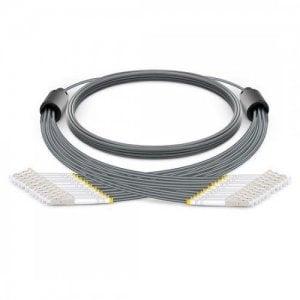
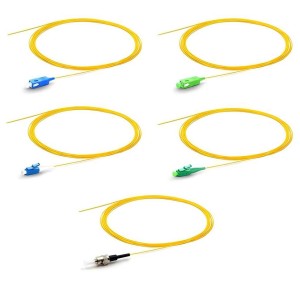
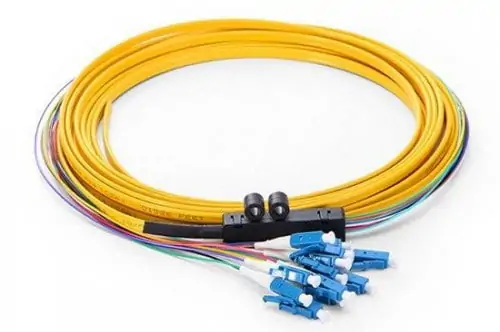
Also known as breakout cables, MTP/MPO harness cables convert a multi-fiber MTP/MPO interface into multiple duplex LC/SC/FC/ST connectors.
Common configurations
- 8F MTP → 4× LC duplex
- 12F MTP → 6× LC duplex
Typical applications
- Connecting 40G/100G switches to 10G/25G servers
- Transitioning from parallel optics to duplex optics
Engineering tip
Harness cables are ideal for short-distance interconnects and are commonly deployed at the rack level.
MTP/MPO Conversion Cables
Conversion cables allow different fiber counts to interconnect without re-terminating the backbone.
Common types
- 24F → 2×12F
- 24F → 3×8F
- 2×12F → 3×8F
Why conversion cables matter
They reduce unused fibers and offer maximum flexibility when migrating between 10G, 40G, 100G, and 400G architectures.
2. Understanding MTP/MPO Polarity (Type A, B, and C)
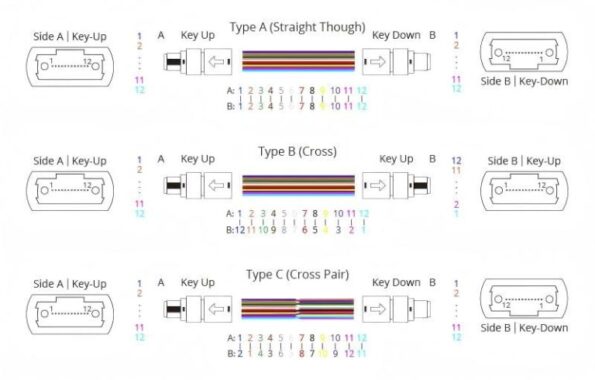
Polarity ensures that the optical transmitter (Tx) on one end correctly connects to the receiver (Rx) on the other.
The TIA-568 standard defines three polarity methods:
Type A – Straight-Through
- Fiber positions remain unchanged
- Requires specific patch cord management
- Common in structured cabling systems
Type B – Reversed
- Fiber positions are flipped end-to-end
- Most widely used for 40G and 100G direct connections
- Simplifies polarity management in many deployments
Type C – Pair-Flipped
- Adjacent fiber pairs are reversed
- Typically used in duplex breakout scenarios
Common mistake
Incorrect polarity planning is one of the most frequent causes of link failure during data center upgrades. Always design polarity before ordering cables.
3. MTP/MPO Cable Types by Fiber Count
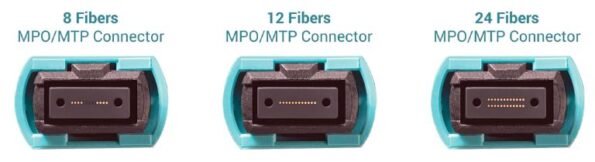
8-Fiber MTP/MPO
- Optimized for 40G and 100G SR4
- Lower cost and lower insertion loss
- No wasted fibers compared to 12F
12-Fiber MTP/MPO
- Traditional industry standard
- Compatible with most legacy infrastructure
- May leave unused fibers in SR4 applications
24-Fiber MTP/MPO
- Used for high-density CFP-based 100G SR10 links
- Ideal for large backbone deployments
16-Fiber MTP/MPO (400G Ready)
- Designed for 400G QSFP-DD and OSFP
- Matches next-generation parallel optics
- Eliminates fiber waste in 400G links
SunmaFIber recommendation
For new 400G deployments, 16-fiber MTP/MPO cabling is the most future-proof option.
4. Fiber Mode: Multimode vs Single-Mode
Multimode MTP/MPO (OM3 / OM4)
- 40G/100G up to 100–150 m
- Cost-effective for intra-data-center links
- Common in enterprise and colocation data centers
Single-Mode MTP/MPO (OS2)
- Supports long-distance transmission
- Ideal for hyperscale, PON, and metro networks
- Lower dispersion and higher bandwidth capacity
5. Jacket Ratings and Fire Safety
MTP/MPO cables are available with different jacket ratings to meet building codes:
- LSZH – Low smoke, zero halogen; ideal for enclosed spaces
- OFNP / CMP – Plenum-rated for air-handling spaces
- Riser / OFNR – Vertical shaft installations
Selecting the correct jacket ensures compliance with local safety regulations and protects equipment and personnel.
How to Choose the Right MTP/MPO Cable for Your Data Center
When selecting an MTP/MPO solution, consider:
- Current and future data rates (40G → 100G → 400G)
- Switch transceiver type (SR4, SR8, QSFP-DD, OSFP)
- Fiber utilization efficiency
- Polarity method
- Installation environment and fire rating
In real data center deployments, choosing the right fiber count and polarity upfront can save significant re-cabling costs during future upgrades.
Why Choose SunmaFiber MTP/MPO Solutions?
At SunmaFiber, we provide:
- Low-loss MTP® Elite and MPO cable assemblies
- Custom fiber counts, polarity options, and lengths
- Solutions optimized for 40G / 100G / 400G networks
- Engineering support to help you design the right cabling architecture
Explore our MTP/MPO trunk, harness, and conversion cables or contact our technical team for deployment guidance.