FREE shipping on orders over US$200
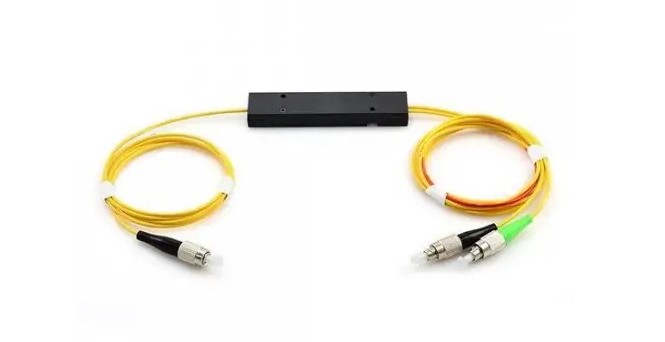
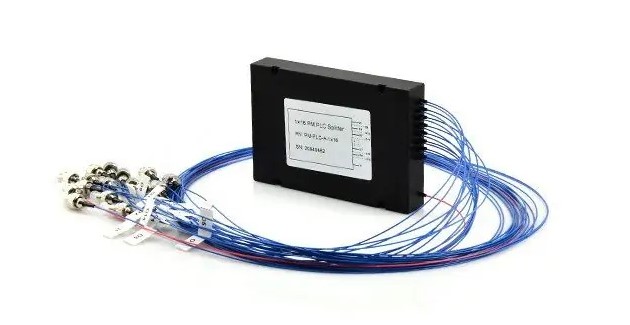
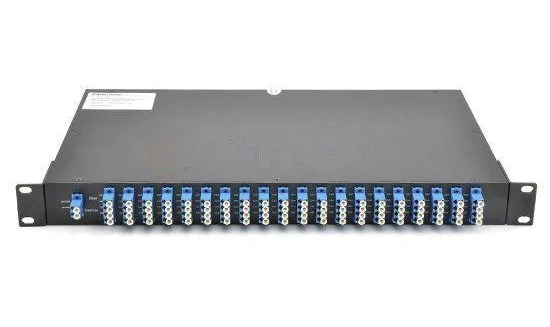
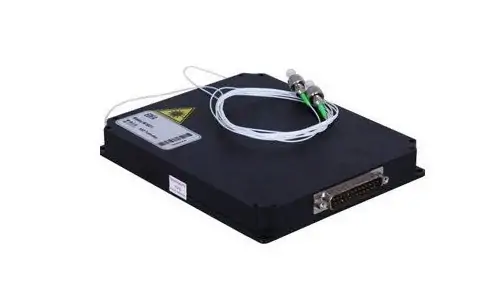
In modern fiber optic communication and sensing systems, signal stability and accuracy are becoming increasingly critical. Optical splitters are widely used to divide optical power, but not all splitters behave the same way—especially in polarization-sensitive applications.
Two commonly confused components are the fiber optic splitter and the polarization maintaining (PM) splitter. While both are designed to split optical signals, they differ significantly in fiber structure, polarization behavior, performance, and application scope. Understanding these differences is essential for proper component selection and long-term system reliability.
Design and Construction Differences
Fiber Optic Splitter Structure
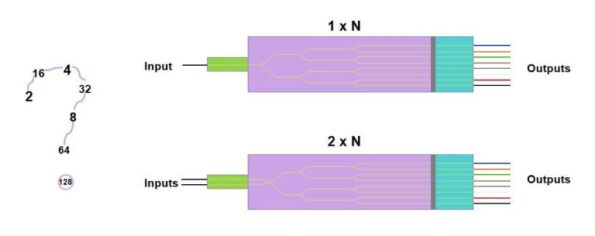
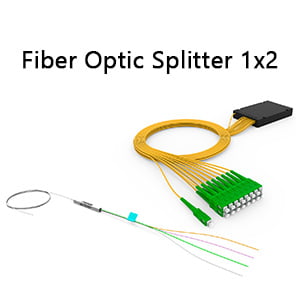
A fiber optic splitter distributes optical power from a single input into multiple output fibers with high uniformity and low insertion loss. These splitters typically use standard single-mode or multimode fibers and are optimized for compact size, scalability, and cost efficiency.
Fiber optic splitters are widely deployed in:
- FTTH and PON networks
- Data centers
- CATV systems
- Enterprise and access networks
In these scenarios, polarization is generally not a critical parameter.
Polarization Maintaining Splitter Structure
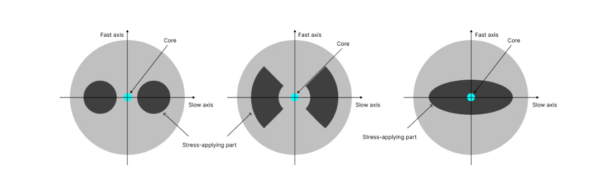
A polarization maintaining splitter is built using PM fiber, which incorporates stress rods or asymmetric core structures to preserve the polarization state of the transmitted light. The splitter ensures that the polarization orientation at the output remains aligned with the input, even under environmental or mechanical stress.
This design is significantly more sensitive and precise, making PM splitters essential for applications where polarization drift can directly degrade system performance.
Signal Stability and Polarization Behavior
Standard Fiber Optic Splitters
Standard fiber optic splitters do not preserve polarization. As light propagates through the fiber, polarization states can fluctuate due to bending, temperature changes, or vibration. In polarization-independent systems, this behavior is acceptable.
However, in polarization-sensitive systems, uncontrolled polarization changes may lead to:
- Phase drift
- Measurement instability
- Reduced coherence
- Inconsistent or inaccurate results
Advantages of Polarization Maintaining Splitters
A polarization maintaining splitter preserves the polarization orientation between the input and output ports. This ensures:
- Stable interference patterns
- High coherence
- Consistent signal quality
PM splitters typically provide a high polarization extinction ratio (PER) and are designed to maintain performance over long-term operation and harsh environments.
Key Performance Comparison
| Parameter | Fiber Optic Splitter | Polarization Maintaining Splitter |
|---|---|---|
| Fiber Type | Standard SMF / MMF | PM Fiber |
| Polarization Control | Not maintained | Maintained |
| Typical PER | N/A | ≥ 20 dB (up to 23 dB or higher) |
| Insertion Loss | Low | Slightly higher |
| Cost | Lower | Higher |
| System Sensitivity | Polarization-independent | Polarization-sensitive |
Application Scenarios
When to Use a Fiber Optic Splitter
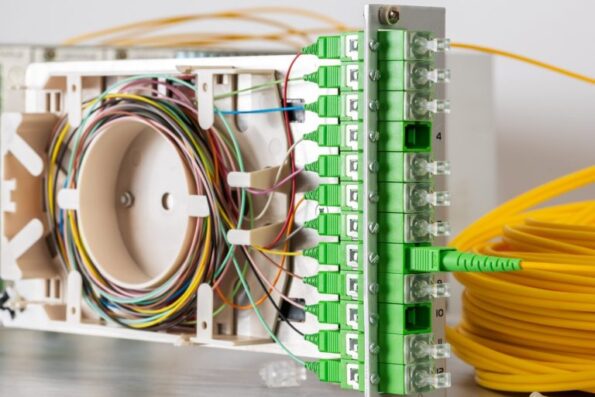
Fiber optic splitters are ideal for large-scale optical power distribution where polarization stability is not required. Typical applications include:
- Telecommunications networks
- FTTH and PON deployments
- CATV systems
- Enterprise data centers
In these cases, cost efficiency, scalability, and low insertion loss are the primary considerations.
When to Use a Polarization Maintaining Splitter
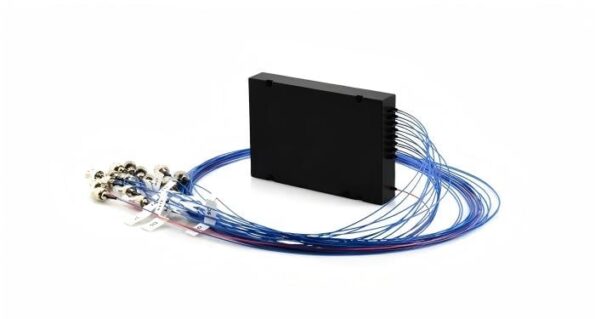
Polarization maintaining splitters are essential in systems where polarization integrity directly affects performance or measurement accuracy, such as:
- Quantum communication systems
- Fiber optic gyroscopes
- Optical Coherence Tomography (OCT)
- Interferometric and metrology systems
- Coherent optical sensing
In these applications, using a standard splitter may result in unstable signals or unreliable data.
How to Choose the Right Splitter
When selecting between a fiber optic splitter and a polarization maintaining splitter, consider the following factors:
- Polarization sensitivity
If your system relies on polarization alignment or coherence, a PM splitter is required. - Application environment
Systems exposed to vibration, temperature variation, or mechanical stress benefit from PM fiber stability. - Cost and scale
For large-scale distribution networks, standard fiber optic splitters offer better cost efficiency. - Wavelength and performance requirements
PM splitters are typically specified by wavelength range, splitting ratio, and required PER.
Conclusion
Although both fiber optic splitters and polarization maintaining splitters perform the basic function of dividing optical power, their differences in fiber structure, polarization behavior, and application suitability are substantial.
Fiber optic splitters excel in efficient, large-scale signal distribution for communication networks, while polarization maintaining splitters are indispensable for precision optical systems where signal stability and polarization control are critical.
By understanding these differences, system designers and engineers can make informed decisions that balance cost, performance, and long-term reliability—ensuring optimal results in modern fiber optic applications.